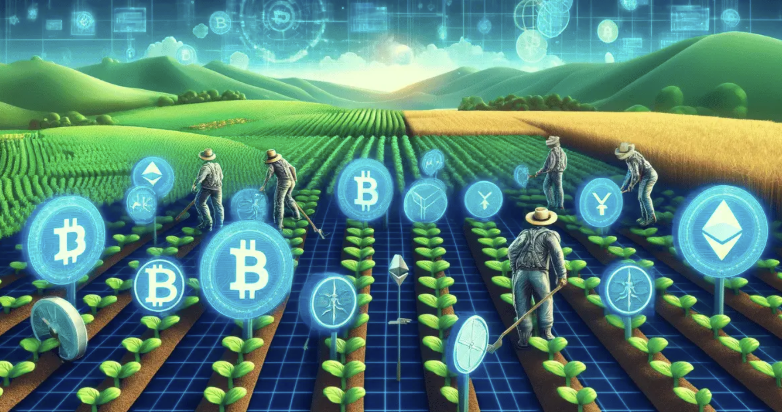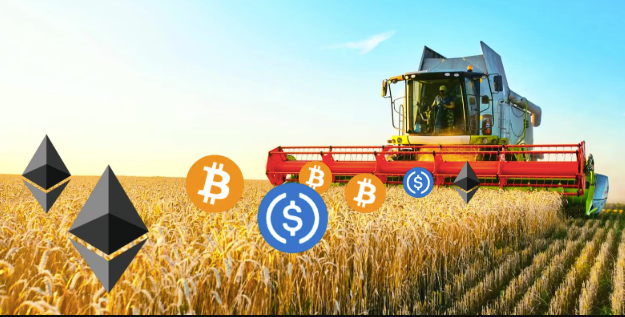
Yield farming in cryptocurrency represents a complex investment strategy within the decentralized finance (DeFi) ecosystem. It involves the allocation of digital assets into liquidity pools, allowing investors to earn returns through additional tokens. This practice enhances market liquidity but introduces various risks, including impermanent loss and smart contract vulnerabilities. Understanding the mechanics behind yield farming is crucial, as it can significantly impact potential returns and overall investment strategy. What are the specific benefits and challenges associated with this approach?
What’s Yield Farming and How Does It Work?
Yield farming represents a sophisticated investment strategy within the decentralized finance (DeFi) ecosystem, where participants lend or stake their cryptocurrency assets to earn returns in the form of additional tokens.
This process often involves liquidity pools, where users provide assets, enhancing market efficiency. In return, they receive staking rewards, incentivizing participation and fostering a dynamic environment for asset growth and financial autonomy.
The Benefits of Yield Farming in Cryptocurrency
While navigating the complexities of the cryptocurrency landscape, participants often find yield farming to be a compelling strategy due to its potential for high returns.
This method allows investors to generate passive income by providing liquidity to decentralized finance platforms.
See also: Technology in Smart Homes
Major Risks You Should Know About Yield Farming
Although the allure of high returns in yield farming can be enticing, participants must navigate a landscape fraught with significant risks.
Key concerns include impermanent loss, which can erode potential gains when asset prices fluctuate, and smart contract vulnerabilities, which expose users to hacks and exploits.
Understanding these risks is crucial for anyone seeking to engage in yield farming within decentralized finance.
Getting Started With Yield Farming in Defi
Getting started with yield farming in decentralized finance (DeFi) requires a clear understanding of the fundamental processes and tools involved.
Potential farmers must familiarize themselves with liquidity pools, where assets are pooled for trading, and develop effective staking strategies to maximize returns.
A meticulous approach to selecting platforms and assessing risks is essential for optimizing yield farming opportunities while maintaining financial autonomy.
Conclusion
In the complex landscape of decentralized finance, yield farming presents both opportunities and challenges. As the saying goes, “Don’t put all your eggs in one basket.” Investors should diversify their strategies and conduct meticulous research to navigate the risks of impermanent loss, volatility, and smart contract vulnerabilities. By understanding these dynamics, participants can make informed decisions and potentially reap the benefits of yield farming while safeguarding their investments in an ever-evolving market.