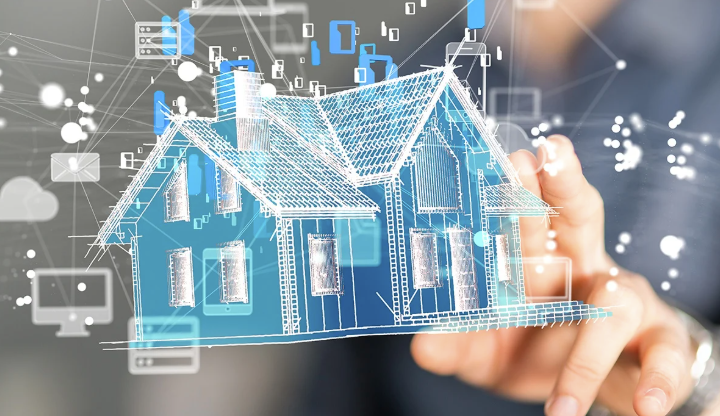
The integration of technology in smart homes represents a significant shift in how individuals interact with their living environments. By utilizing artificial intelligence and the Internet of Things, these systems facilitate unprecedented levels of control and customization. Homeowners can optimize energy consumption, enhance security, and personalize experiences. However, as the landscape evolves with emerging innovations, one must consider the implications of this technological transformation on daily living and future home design.
Key Technologies Driving Smart Homes
The evolution of smart home technology embodies the intersection of innovation and convenience, reshaping everyday living experiences.
Key technologies driving this transformation include artificial intelligence, which enables adaptive learning and automation, and the Internet of Things, connecting devices for seamless communication.
Together, they create an ecosystem that enhances control, efficiency, and personalization, offering users the freedom to tailor their environments to individual preferences and needs.
Benefits of Smart Home Technology
Smart home technology offers a multitude of benefits that significantly enhance the quality of life for users. By optimizing energy efficiency, it reduces utility costs while promoting sustainable living.
Additionally, advanced home security systems provide peace of mind through real-time monitoring and remote access. These advantages empower individuals to take control of their environments, fostering a sense of freedom and enhancing overall well-being.
Popular Smart Home Devices
Home automation has gained traction as consumers become more aware of the advantages associated with smart technology.
Popular devices such as smart speakers exemplify this shift, enabling users to control their homes effortlessly. These devices integrate with various systems, enhancing convenience and security.
As home automation continues to evolve, it empowers individuals to create personalized environments, fostering a greater sense of freedom in daily living.
See also: Technology in Remote Work Environments
Future Trends in Smart Home Innovation
How will emerging technologies shape the future of smart home innovation?
The integration of artificial intelligence into home automation systems will enhance user experiences by providing personalized, intuitive control.
Anticipated advancements include voice-activated interfaces, predictive energy management, and improved security protocols.
As these technologies evolve, they promise to offer homeowners greater autonomy and flexibility, revolutionizing how individuals interact with their living environments.
Conclusion
In conclusion, smart home technology is transforming living spaces much like a conductor orchestrates a symphony, harmonizing various elements into a cohesive whole. With key advancements in interconnected devices, homeowners are not only experiencing enhanced convenience and efficiency but also enjoying improved security and sustainability. As innovations continue to unfold, the future promises even greater integration and personalization, shaping how individuals interact with their environments and ultimately elevating their quality of life.