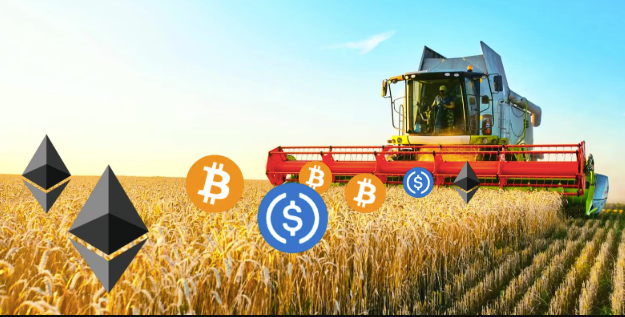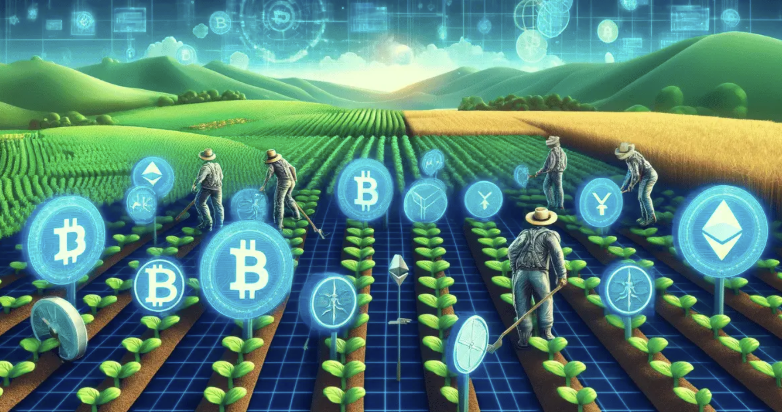
Yield farming represents a sophisticated approach within decentralized finance, where participants engage in providing liquidity to asset pools. This mechanism allows users to lend or borrow funds while potentially reaping substantial rewards. However, the intricacies of yield farming introduce inherent risks, including market fluctuations and smart contract vulnerabilities. Understanding these dynamics is essential for anyone considering involvement in this rapidly evolving financial landscape. What factors should be assessed before entering this complex arena?
Understanding the Basics of Yield Farming
Although yield farming has emerged as a prominent strategy within decentralized finance (DeFi), its underlying principles remain complex and multifaceted.
Central to this strategy are liquidity pools, which enable users to provide capital in exchange for rewards.
This interdependence between liquidity providers and decentralized platforms creates a dynamic ecosystem, fostering innovation while presenting unique risks and opportunities for those seeking financial autonomy.
See also: Technology in Solar Energy Systems
How Yield Farming Works
Yield farming operates by leveraging liquidity pools to facilitate the lending and borrowing of digital assets within decentralized finance ecosystems.
Participants employ various farming strategies to optimize their returns, often switching between pools to capitalize on yield fluctuations.
This dynamic environment empowers users, allowing them to maximize asset efficiency while contributing to the liquidity necessary for the growth of decentralized financial markets.
Potential Risks and Rewards
Numerous participants in yield farming are drawn to the potential for high returns, yet they must also navigate a landscape rife with inherent risks.
Market volatility can significantly impact returns, exposing investors to possible losses.
Furthermore, reliance on smart contracts introduces vulnerabilities; errors or exploits in code may lead to unintended consequences.
Thus, understanding these dynamics is crucial for informed decision-making in yield farming.
Key Considerations Before Starting Yield Farming
Before embarking on yield farming, investors must carefully evaluate several critical factors that can influence their potential success.
Key considerations include understanding various investment strategies and the dynamics of liquidity pools.
Assessing the risks associated with impermanent loss and market volatility is essential.
Additionally, investors should analyze the underlying protocols to ensure robust security and transparency, ultimately enabling informed decision-making in a decentralized financial landscape.
Conclusion
In conclusion, yield farming represents a compelling yet complex facet of decentralized finance, enabling users to leverage their digital assets for potential gains. Notably, as of 2023, approximately 80% of DeFi users engage in yield farming strategies, highlighting its popularity and significance within the ecosystem. However, the associated risks, including smart contract vulnerabilities and market fluctuations, necessitate careful consideration and informed decision-making for participants seeking to optimize their financial autonomy while navigating this innovative landscape.