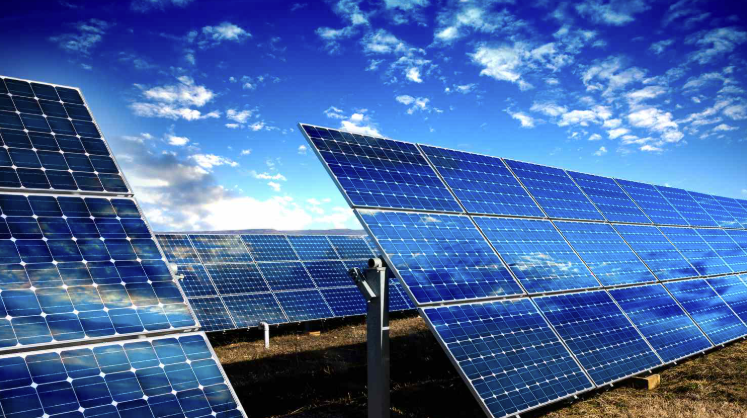
The evolution of solar energy systems has been marked by significant technological advancements. Innovations in photovoltaic cell design, such as multijunction cells, are enhancing energy conversion rates. Meanwhile, the integration of smart grid technologies is optimizing energy distribution and usage. Additionally, breakthroughs in energy storage are pivotal for managing intermittent solar generation. These developments suggest a transformative shift in energy systems, prompting an exploration of their broader implications for sustainability and economic growth.
Advances in Photovoltaic Cell Technology
As the demand for renewable energy sources escalates, advancements in photovoltaic cell technology have emerged as a crucial factor in enhancing solar energy efficiency.
Multijunction cells, capable of capturing a broader spectrum of sunlight, significantly boost energy conversion rates.
Meanwhile, transparent photovoltaics offer innovative applications in building-integrated designs, promoting aesthetic freedom and enabling integration without compromising structural integrity, thus revolutionizing solar energy deployment.
Smart Grid Integration and Management
How can the integration of smart grid technology enhance the efficiency of solar energy systems?
By deploying smart meter technology, utilities can facilitate real-time data exchange, optimizing energy consumption.
Demand response initiatives empower consumers to adjust usage based on supply fluctuations, enhancing grid stability.
This synergy not only maximizes solar resource utilization but also fosters a decentralized energy landscape that champions individual autonomy and sustainability.
Energy Storage Innovations
While the integration of renewable energy sources like solar power is critical for a sustainable future, energy storage innovations play a pivotal role in addressing the inherent variability of these resources.
Advances in battery efficiency enhance energy retention and delivery, while innovative technologies improve grid scalability, allowing for efficient distribution.
These developments empower users to harness solar energy with greater reliability and autonomy.
See also: Technology in Smart Homes
The Future of Solar Energy Systems and Their Economic Impact
Given the rapid advancements in solar technology and increasing global emphasis on sustainability, the future of solar energy systems is poised to significantly reshape economic landscapes.
Enhanced policy incentives will drive investment, fostering job creation in various sectors. As solar systems become more affordable and efficient, their integration will stimulate economic growth, promote energy independence, and empower communities, ultimately redefining energy consumption dynamics.
Conclusion
In conclusion, the evolution of solar energy systems, driven by cutting-edge technologies, paints a promising landscape for the future. As photovoltaic advancements, smart grid management, and energy storage innovations converge, they create a symphony of efficiency and sustainability. This harmonious integration not only enhances energy optimization but also fosters economic growth and community empowerment. As solar energy continues to illuminate the path toward a decentralized energy future, it positions itself as a beacon of resilience in an ever-changing world.